On-orbit robotic maintenance, answered plainly
Clear answers on how robotic diagnostics and single string topology keep complex spacecraft operating without redundant systems.

Questions on single string topology
Straight answers about on-orbit maintenance and diagnostics for your spacecraft.
What exactly does single string topology mean?
It means you design with one path for each critical function, no backup hardware. We keep that single path reliable through on-orbit maintenance, so you don't need redundant systems.
How do you handle diagnostics on-orbit?
We run telemetry analysis and subsystem checks to pinpoint faults before they cascade. You get precise data, so you can act early instead of reacting after failure.
Can you work with our specific spacecraft design?
Yes. We tailor our maintenance and diagnostic approach to your architecture and mission profile. Tell us your subsystem layout and we'll adapt our service to match.
What maintenance tasks do you perform on-orbit?
We handle subsystem calibration, software updates, and component replacement. Our robots keep your systems running without you needing to add extra hardware.
How do we get started with your service?
Reach out through our contact page. We'll review your spacecraft specs and propose a diagnostic and maintenance plan that fits your mission.
Is this service available now?
We're in early operations based in Los Angeles. We're taking on select missions as we build our capabilities. Contact us to discuss timing and fit.
Have a different question?
Ask us directly and we'll get back to you with a clear answer.
We don't build redundant spacecraft. We build trust.
Engineers tell us the honest part they appreciate most: admitting single-string needs an expert on call.
The candid assessment of our single-string risk was more useful than any sales pitch. We designed a smaller bus and kept the mission profile.

Priya R.
Systems Engineer, satellite manufacturer
Diagnostics came back with clear telemetry and a recommended maintenance window. No vague reports. We knew exactly what to review.

Marcus T.
Mission Assurance Lead
Our team debated redundancy budgets for months. The honest read on our actual subsystem failure modes settled the argument.

Elaine W.
Chief Engineer, smallsat program
Rather than overselling a full service package, they mapped which maintenance windows actually mattered for our orbit. That focus won us over.

David K.
Program Manager, commercial constellation
The diagnostic data arrived in a format our review team could act on immediately. No fluff, just clear subsystem status and next steps.

Sofia M.
Spacecraft Operations Director
They told us where our redundancy assumptions were optimistic. That kind of honesty is rare when you are procuring critical support.

James L.
Technical Lead, orbital servicing program
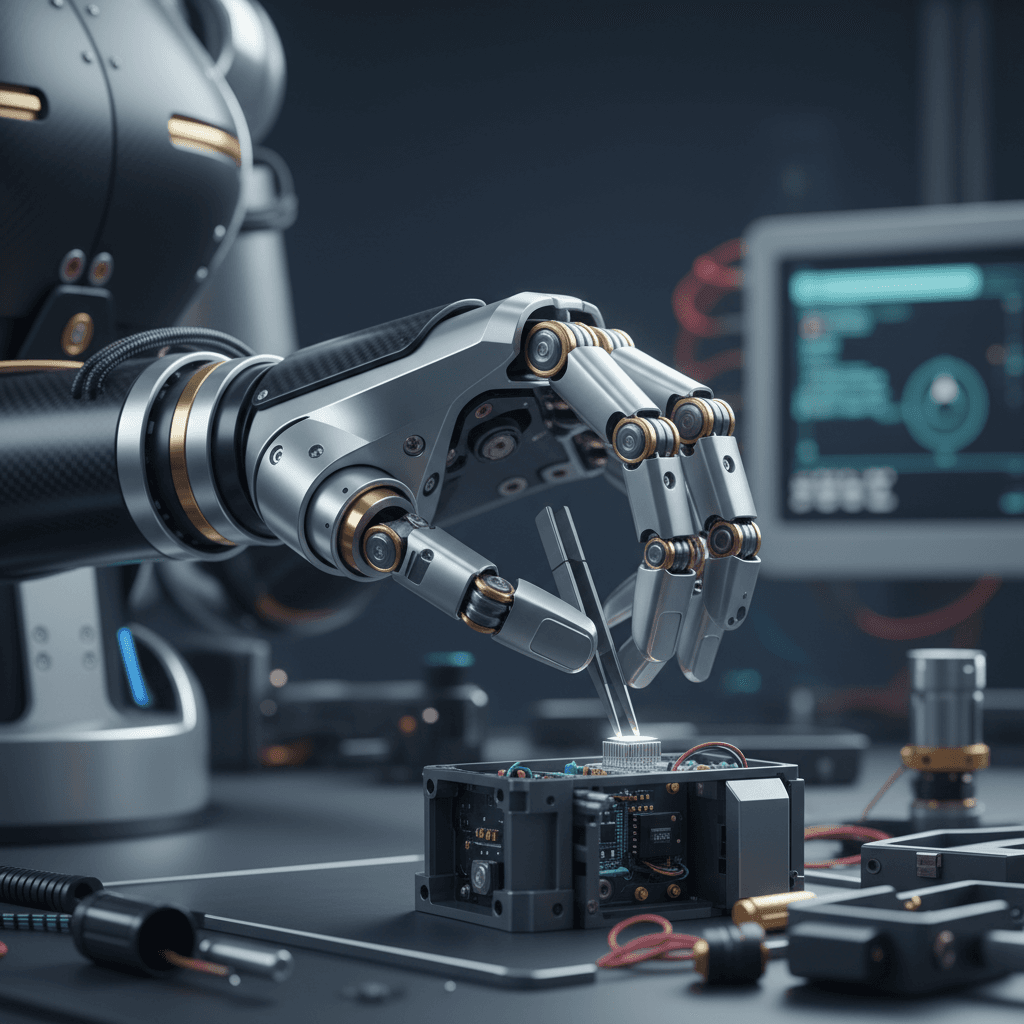
One maintenance robot, zero redundant subsystems
Single string topology doesn't mean single point of failure. We maintain your critical subsystems with one specialized robot, no backup required.
See how single string topology pays off
These numbers reflect what on-orbit servicing means for spacecraft design. No redundancy, no margin for error, just the numbers that matter.
0
redundant subsystems
Design leaner vehicles by removing backup systems. Our robots handle the rest.
1×
maintenance visit
One service call replaces the need for multiple redundant components on board.
24/7
diagnostic monitoring
Continuous telemetry tracking means we spot issues before they become failures.
1
specialist team
A dedicated expert focused on your spacecraft's operational integrity.
Routine servicing from Los Angeles
On-Orbit Robotic Mechanics operates from Los Angeles, keeping single-string spacecraft healthy across orbital regimes.
Ready to drop the redundant subsystems?
Tell us about your spacecraft platform. We'll map out how on-orbit robotic diagnostics and maintenance keep your single string vehicle healthy.